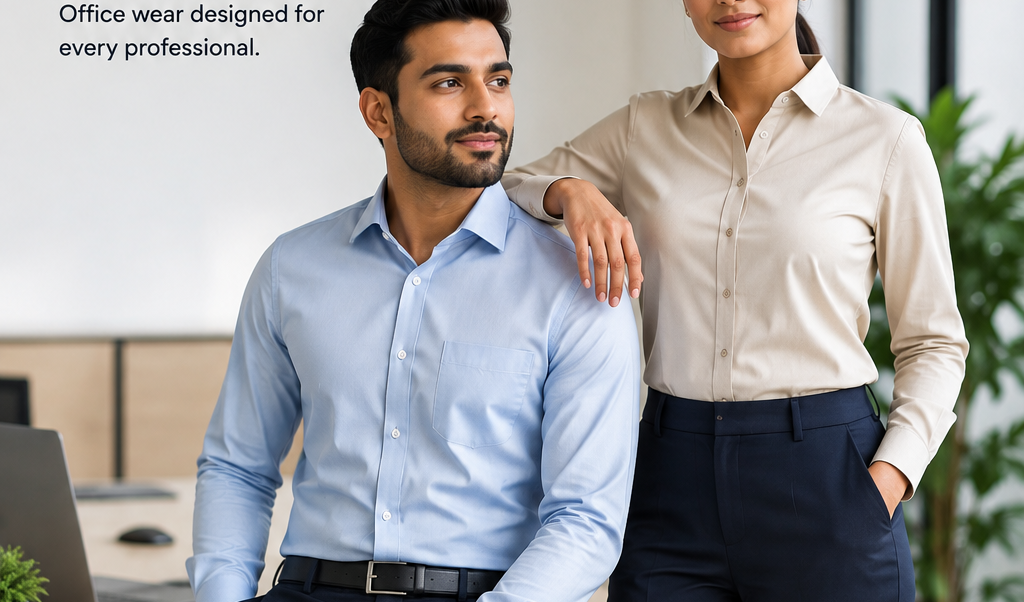
Psychology of office clothing explains how what we wear at work can influence confidence, comfort, first impressions, and professional appearance. From a well-fitted shirt to the right colors and fabrics, office clothing can affect how prepared and comfortable we feel throughout the working day. At Cottrixs, we believe professional clothing should combine comfort, smart fit, quality, and confidence.
What Is the Psychology of Office Clothing?

The psychology of office clothing refers to the relationship between what people wear and how clothing can influence thoughts, emotions, behavior, and social perception.
Clothing can communicate different messages before a person even speaks. A formal outfit may signal professionalism and attention to detail, while a relaxed outfit can communicate approachability or creativity.
However, clothing does not automatically determine someone’s personality or ability. Its effect depends on the workplace, culture, individual preferences, and the situation.
This is why choosing office clothing is not simply about following fashion trends. It is about finding the right balance between:
Practicality
Professional appearance
Personal style
Comfort
Workplace expectations
Confidence
How Office Clothing Can Affect Confidence
One of the most noticeable psychological effects of clothing is how it can influence the way a person feels about themselves.
When people wear clothing that fits well and makes them feel comfortable and prepared, they may feel more confident in situations such as:
- Presentations
- Client meetings
- Interviews
- Team discussions
- Business negotiations
- Important work events
A polished outfit can become a mental signal that says, “I am prepared for this situation.”
However, confidence does not come from expensive clothing alone. A simple, clean, well-fitted outfit can often create a stronger sense of confidence than an expensive outfit that feels uncomfortable or unsuitable.
Does Formal Clothing Make You More Professional?
Formal clothing can influence how professionalism is perceived, particularly in traditional corporate environments.
For example, depending on the workplace, clothing such as:
- Formal shirts
- Trousers
- Blazers
- Structured dresses
- Formal shoes
- Simple accessories
may communicate a more conventional professional image.
But there is an important distinction:
Looking professional and being professional are not the same thing.
Clothing can influence first impressions, but skills, communication, reliability, knowledge, and behavior ultimately determine professional credibility.
The best office wardrobe therefore supports your professional image without becoming a substitute for professional performance.
The Role of Fit in Office Clothing Psychology
Fit is one of the most important elements of professional clothing.
An outfit that is too tight may make you uncomfortable throughout the day. Clothing that is too loose can sometimes appear less structured or make movement inconvenient.
The ideal fit should allow you to:
- Sit comfortably
- Walk naturally
- Move your arms freely
- Work throughout the day
- Maintain a professional appearance
For many people, comfort and confidence are closely connected.
This is particularly important when choosing shirts, trousers, jackets, uniforms, or plus-size office clothing. The goal should not be to force the body into a particular shape. Instead, clothing should provide a comfortable and appropriate fit.
How Colors Influence Office Clothing
Color is another important part of workplace appearance.
Different colors can create different visual impressions, although there is no universal rule that a particular color always produces a particular psychological response.
Blue
Blue is commonly associated with qualities such as calmness, reliability, and professionalism. Blue shirts and formal clothing are therefore popular in many workplaces.
White
White can create a clean and classic appearance. White formal shirts are especially common in corporate environments.
Black
Black often creates a strong, formal, and sophisticated appearance. It can work well for formal meetings, presentations, and professional events.
Grey
Grey is versatile and relatively neutral. It can be combined easily with shirts, jackets, trousers, and other office essentials.
Neutral Colors
Colors such as beige, navy, brown, and muted tones can provide a professional appearance without being overly attention-grabbing.
The best choice depends on the organization’s culture and the situation.
Clothing and First Impressions at Work
People often form initial impressions quickly when meeting someone new.
Office clothing can contribute to that first impression by communicating visual information about:
- Attention to detail
- Professionalism
- Workplace awareness
- Personal presentation
- Confidence
- Role and context
For example, wearing casual weekend clothing to a highly formal client meeting may create a different impression than wearing appropriate business attire.
This does not mean employees should constantly dress to impress. Instead, dressing appropriately for the context can help reduce unnecessary distractions and support effective communication.
Can Clothing Affect Work Performance?
Clothing itself does not automatically make someone more productive.
However, what you wear can influence factors that are relevant to work, such as comfort, confidence, focus, and readiness.
Consider two situations.
In the first, an employee spends the entire day adjusting an uncomfortable shirt, dealing with restrictive trousers, or feeling too hot.
In the second, the employee wears comfortable clothing that fits properly and suits the workplace.
The second situation may make it easier to focus on work because clothing creates fewer physical and psychological distractions.
So the goal should not be:
“Dress formally to become productive.”
A better approach is:
“Wear clothing that helps you feel comfortable, prepared, and appropriate for the work environment.”
The Psychology of Business Casual Clothing
Business casual has become increasingly common in many workplaces.
It offers a middle ground between traditional formalwear and casual clothing.
A business-casual wardrobe may include:
- Polo shirts
- Oxford shirts
- Chinos
- Smart trousers
- Blouses
- Knitwear
- Loafers
- Clean minimalist sneakers, where workplace culture allows them
Business casual can help employees maintain a professional appearance while having greater freedom and comfort.
However, the definition of business casual varies significantly between companies.
What is considered business casual in a technology company may not be appropriate in a law firm, financial institution, or formal client meeting.
Office Clothing and Personal Identity
Clothing is also a form of self-expression.
Employees may use clothing to communicate elements of their identity, creativity, personality, or professional role.
For example:
- A designer may prefer creative patterns.
- A financial professional may choose classic formalwear.
- A technology employee may prefer minimalist business casual.
- A salesperson may select polished outfits suitable for client meetings.
The key is understanding the boundaries of the workplace.
A professional wardrobe does not have to eliminate individuality. Instead, it can combine personal style with professional expectations.
Why Comfortable Office Clothing Matters
Comfort is sometimes overlooked when discussing workplace fashion.
Employees may spend eight or more hours wearing their office clothing. Poorly designed clothing can become distracting when it causes:
- Excessive heat
- Restricted movement
- Tightness
- Itching
- Poor breathability
- Constant adjustment
Comfortable fabrics and appropriate fits can make a significant difference to the everyday office experience.
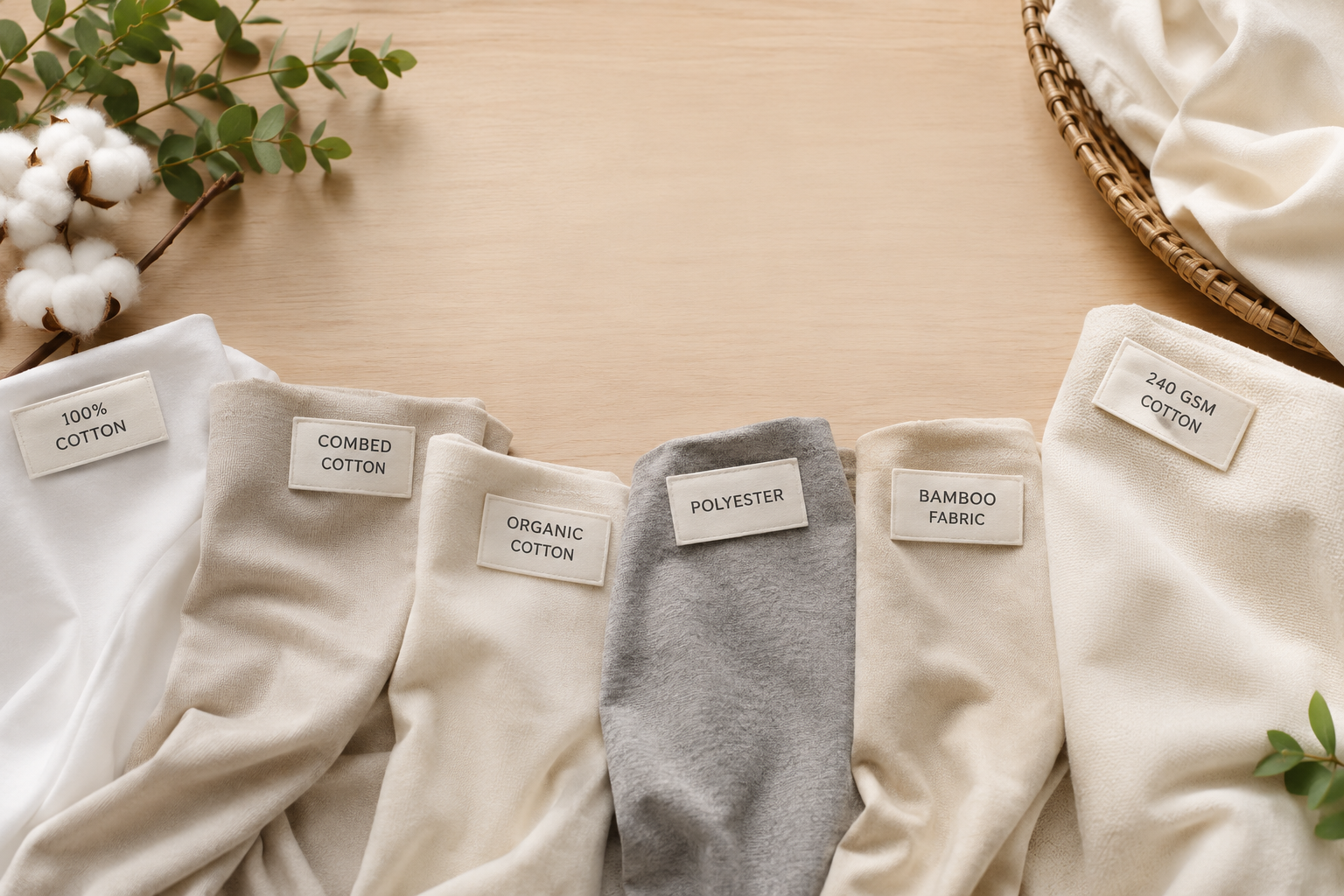
Natural and breathable materials such as cotton are popular choices for many office environments, while blends can offer advantages such as durability, wrinkle resistance, and easier maintenance.
The right fabric ultimately depends on climate, activity level, workplace requirements, and personal preference.
Plus-Size and Inclusive Office Clothing
Professional clothing should be available in a wide range of sizes and body types.
For plus-size employees, finding appropriate office clothing can sometimes be more difficult when brands offer limited size ranges.
Good office clothing should focus on:
- Accurate sizing
- Comfortable construction
- Appropriate proportions
- Breathable fabrics
- Easy movement
- Professional styling
A larger size should not mean sacrificing style.
The growing interest in 4XL and XXXXL clothing also highlights the importance of inclusive sizing in modern fashion.
How to Choose Office Clothing Based on Psychology

Instead of following every fashion trend, consider five questions before choosing an office outfit.
1. Does it fit properly?
Choose clothing that allows comfortable movement without being excessively tight or loose.
2. Is it appropriate for the workplace?
Consider your company’s dress code and professional environment.
3. Does it make you feel confident?
Your clothing should help you feel prepared rather than self-conscious.
4. Can you comfortably wear it all day?
Think about fabric, temperature, movement, and overall comfort.
5. Does it suit the occasion?
A normal workday, client meeting, interview, presentation, and corporate event may require different levels of formality.
Office Clothing for Important Meetings
Important meetings often create additional pressure around appearance.
For a client presentation or interview, a simple strategy is to choose clothing that is:
Clean + Comfortable + Well-Fitted + Appropriate + Professional
You do not necessarily need expensive designer clothing.
A well-maintained shirt, properly fitted trousers, clean shoes, and simple accessories can create a polished appearance.
The objective is to make your clothing support the conversation—not become the conversation.
Common Office Clothing Mistakes
Some common mistakes can reduce comfort or create an inappropriate professional appearance.
Wearing the wrong size
Clothing that is significantly too tight or too loose can affect both comfort and appearance.
Ignoring the workplace dress code
An outfit can be stylish but still inappropriate for a particular workplace.
Prioritizing fashion over comfort
If you cannot comfortably sit, walk, or work, the outfit may not be practical.
Over-accessorizing
Too many accessories can distract from a professional appearance in conservative environments.
Ignoring the weather
Office clothing should consider local climate and commuting conditions.
For example, lightweight breathable clothing may be more practical in hot and humid environments.
The Future of Office Clothing
Workplaces are becoming more diverse, and office clothing is changing with them.
Hybrid work, flexible workplaces, inclusive sizing, sustainable fashion, performance fabrics, and changing attitudes toward workplace identity are influencing how people dress.
The modern professional wardrobe is increasingly moving away from a single definition of “professional.”
Instead, the focus is shifting toward clothing that combines:
Professionalism + Comfort + Individuality + Inclusivity + Practicality
Final Thoughts
The psychology of office clothing shows that what we wear can play a role in confidence, first impressions, comfort, and workplace identity.
But clothing is only one part of professional success.
The most effective office outfit is not necessarily the most expensive, fashionable, or formal one. It is the outfit that helps you feel comfortable, confident, prepared, and appropriate for the environment.
Whether you prefer traditional formalwear, modern business casual, or inclusive plus-size clothing, the goal remains the same: choose clothing that works for you and the situation you’re in.
Frequently Asked Questions
Does office clothing affect confidence?
It can. Clothing that fits well, feels comfortable, and matches the situation may help a person feel more prepared and confident.
What colors are best for office clothing?
Neutral and classic colors such as navy, blue, white, grey, black, and beige are versatile choices, but the best color depends on the workplace and occasion.
Does formal clothing improve productivity?
Not necessarily. Formal clothing does not automatically make someone more productive. Comfort, confidence, work environment, and individual preferences can all matter.
What is the best office clothing?
The best office clothing is comfortable, well-fitted, appropriate for the workplace, and suitable for the specific occasion.
Is comfortable clothing professional?
Yes. Comfort and professionalism are not opposites. Well-designed, properly fitted comfortable clothing can be highly professional.
Why is clothing psychology important at work?
Clothing can influence first impressions, personal confidence, comfort, and how people visually communicate their professional identity.
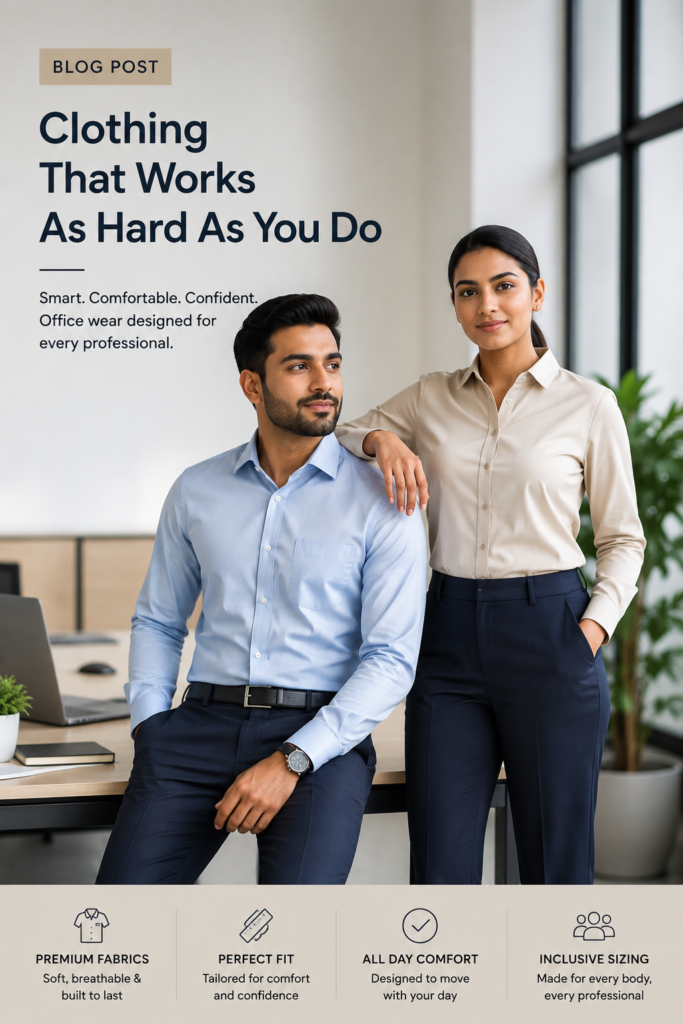
Psychology of Office Clothing
What you wear at work can influence confidence, comfort, and first impressions.
A well-fitted shirt, comfortable fabric, and professional colors can help you feel more prepared, confident, and workplace-ready.
At Cottrixs, we believe office clothing should combine:
✓ Comfort for long working hours
✓ Smart Fit for a polished look
✓ Professional Style for the workplace
✓ Quality Fabrics for everyday wear
✓ Confidence in every outfit
Because great office wear isn’t just about looking professional — it’s about feeling confident while you work.
Cottrixs -Comfort. Style. Confidence.
More Ditails : https://blog.cottrixs.in